Sterile Processing Technician
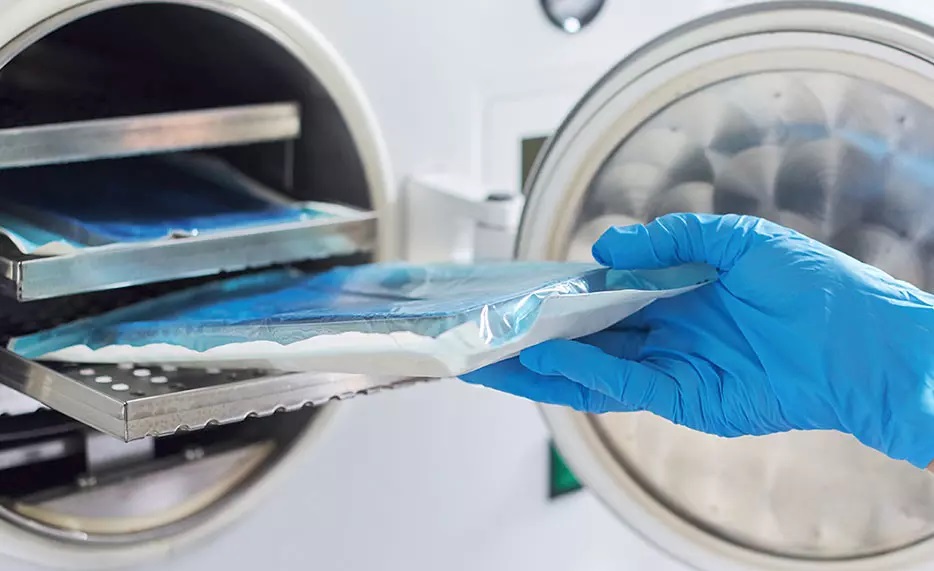
Sterile Processing Technician (Voucher Included)
Prepare for a career as a Sterile Processing Technician (SPT). This immersive course will train you to work as an SPT and prepare you for the Certified Registered Central Service Technician (CRCST) certification from the HSPA.
Register through ED2GO:
sterile-processing-technician-voucher-included
Overview
Sterile Processing Technicians (SPT), also known as Central Service Technicians, play a critical role in preventing infection by sterilizing, cleaning, processing, assembling, storing, and distributing medical supplies. This online sterile processing technician certification course will train you to work as an SPT and prepares you for the Certified Registered Central Service Technician (CRCST) certification offered by the Healthcare Sterile Processing Association (HSPA). This course also includes a voucher which is prepaid access to sit for the certification exam upon eligibility.
With the support of an instructor, you will learn all the necessary steps required to perform the duties and tasks of an SPT. In this sterile processing technician training course, you will learn the details and expectations within the concepts of the role and gain proficiency in understanding the step-by-step requirements of the sterilization process.
The course also includes an opportunity to participate in an clinical experience.
Disclaimer: To qualify for the clinical experience application process, students must complete the online course successfully and have account balances up to date (at a minimum). Going through the clinical experience application process does not guarantee a placement. However, affiliated partnerships increase the likelihood of finding a site that matches student needs. COVID may be affecting the capacity of availability in your area.
Medical Equipment Preparers
Median Salary
The median salary in the New York metropolitan area is $49,540, in New York State $49,070, and $46,490 in the United States*.
Get StartedAlso called Central Service Technician (CST), Central Sterile Supply Technician (CSS Technician), Certified Registered Central Service Technician (CRCST) and Sterile Processing Technician (Sterile Processing Tech)
*Based on U.S. Bureau of Labor Statistics Occupational Employment and Wage Statistics (USBLS OEWS)
📈 Grow Rapidly
This career will grow rapidly in the next few years.
🚪 Openings
New job opportunities are very likely in the future.
Similar Courses
Sterile Processing Technician hybrid
Register at: https://qcccuny.edu2.com/product/5120/sterile-processing-technician
Program Description
The Sterile Processing Technician program is designed to prepare students to function as a sterile processing professional in multiple healthcare settings. Sterile Processing technicians perform and participate in decontamination, cleaning, assembling, packaging, scanning, sterilization, storage, and distribution of reusable surgical instrumentation and equipment.
The purpose of this program is to prepare students to clearly and thoroughly understand his or her roles and responsibilities. Working in a sterile processing area requires specific knowledge and skills, including an understanding of the following key areas and topics:
- Instrumentation: Knowledge of surgical instruments and specialty devices
- Processing of Surgical Instrumentation: Decontamination, packaging, and sterilization of surgical instrumentation
- Processing of Moveable Patient Equipment: Processing, cleaning, testing, assembly, and distribution of movable patient care equipment
- Storage and Inventory: Storage, handling, and distribution of sterile surgical instrumentation and devices, as well as inventory control and cost recovery systems
- Medical Terminology: Knowledge of medical terminology, anatomy & physiology, and microbiology
- Prevention Processes: Infection prevention, decontamination, and disinfection processes
Program Objectives
After completing this program, learners will be able to:
- Describe various functions of SPD
- Identify the health and safety regulations, standards, and guidelines that apply to the processing of medical devices and instrumentation
- Define anatomy and physiology, explain how they are related, and understand how anatomy and physiology relate to the work performed in the sterile processing department
- Understand the basic factors in disease transmission
- Describe the body';s defenses against infection and the factors that affect the body';s susceptibility to disease
- Distinguish between regulated medical waste and non-infectious waste
- Explain bloodborne pathogens and the safety precautions necessary in SPD
- Outline the standards required for a quality decontamination process
- Understand the appropriate dress code and the role of personal protective equipment (PPE) as it relates to OSHA regulations and employee safety and health
- Describe functions performed during chemical disinfection
- Describe the procedures that must be followed and the precautions that must be observed during the preparation and use of the variety of disinfecting agents used in the decontamination process
- Identify the processes needed to effectively disassemble, clean, disinfect, inspect, reassemble, test, store, and distribute movable patient care equipment
- Understand the organization of instruments sets and the preparation of basins and textile packs have the opportunity to take the leading national/industry-recognized certification exam(s) essential to entry-level employment in this fast-growing field.
Certification Requirements:
After completing this program, learners will have the opportunity to take the leading national/industry-recognized certification exam(s) essential to entry-level employment in this fast-growing field.
Full CRCST Certification
- Provide 400 hours of hands-on experience during the previous five years, preceding the application.
Provisional CRCST Certification
- Provide 400 hours of hands-on experience within six months of passing the certification exam.
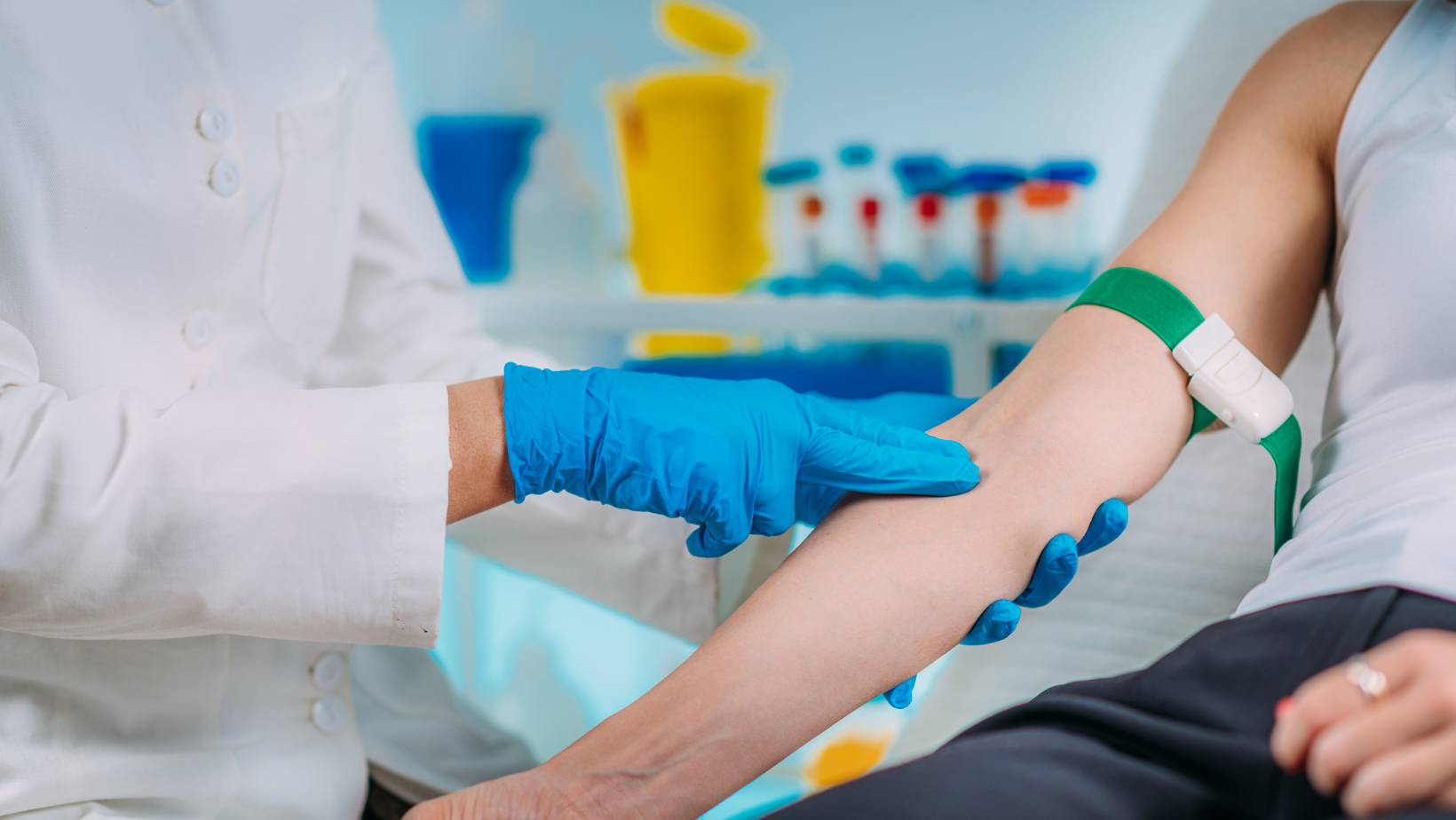
Phlebotomy Technician
Pre-/Co-Requisites
AHX-100 Basic Cardiac Life Support (CPR)(Must be AHA CPR certification)
(8-hour American Heart Association for health care provider and professional rescuer, which includes adult, child, infant CPR, rescue breathing, and use of AED (Automatic External Defibrillator) course)
or valid AHA certification in this course.
Obtain the introductory skills to secure an entry-level position. Learn various methods of blood collection through venipuncture, capillary puncture and, existing intravascular devices. Emphasizes use of anticoagulants, the order of draw and, procedures for obtaining and processing specimens. Safety considerations for all health care professionals and patients discussed. Registrants should purchase stethoscope, B/P cuff and non-latex gloves.
The phlebotomist is a vital member of the clinical laboratory team, whose main function is to obtain patient's blood specimens by venipuncture and micro-collection for testing purposes. Phlebotomists are employed throughout the healthcare system including in hospitals, neighborhood health centers, medical group practices, HMO's, public health facilities, veteran hospitals, insurance carriers, and in other healthcare settings. The demand for phlebotomy technicians has increased substantially with the overall complexity of healthcare services and the risks of infectious disease. Current healthcare industry experts predict a 15% increase in phlebotomy jobs by 2024.
This program prepares learners to collect blood specimens from clients for the purpose of laboratory analysis. Learners will become familiar with all aspects of blood collection and will review the skills needed to perform venipunctures safely. Topics in this course include medical terminology, related anatomy and physiology, blood collection procedures, and procedures for collection of other types of specimens within the scope of practice of the phlebotomist.
Textbook-
Hartman's Complete Guide for the Phlebotomy Technician, 2e
ISBN 978-1604251654
Workbook-
Workbook for Hartman's Complete Guide for the Phlebotomy Technician 2e
ISBN 978- 1604251661
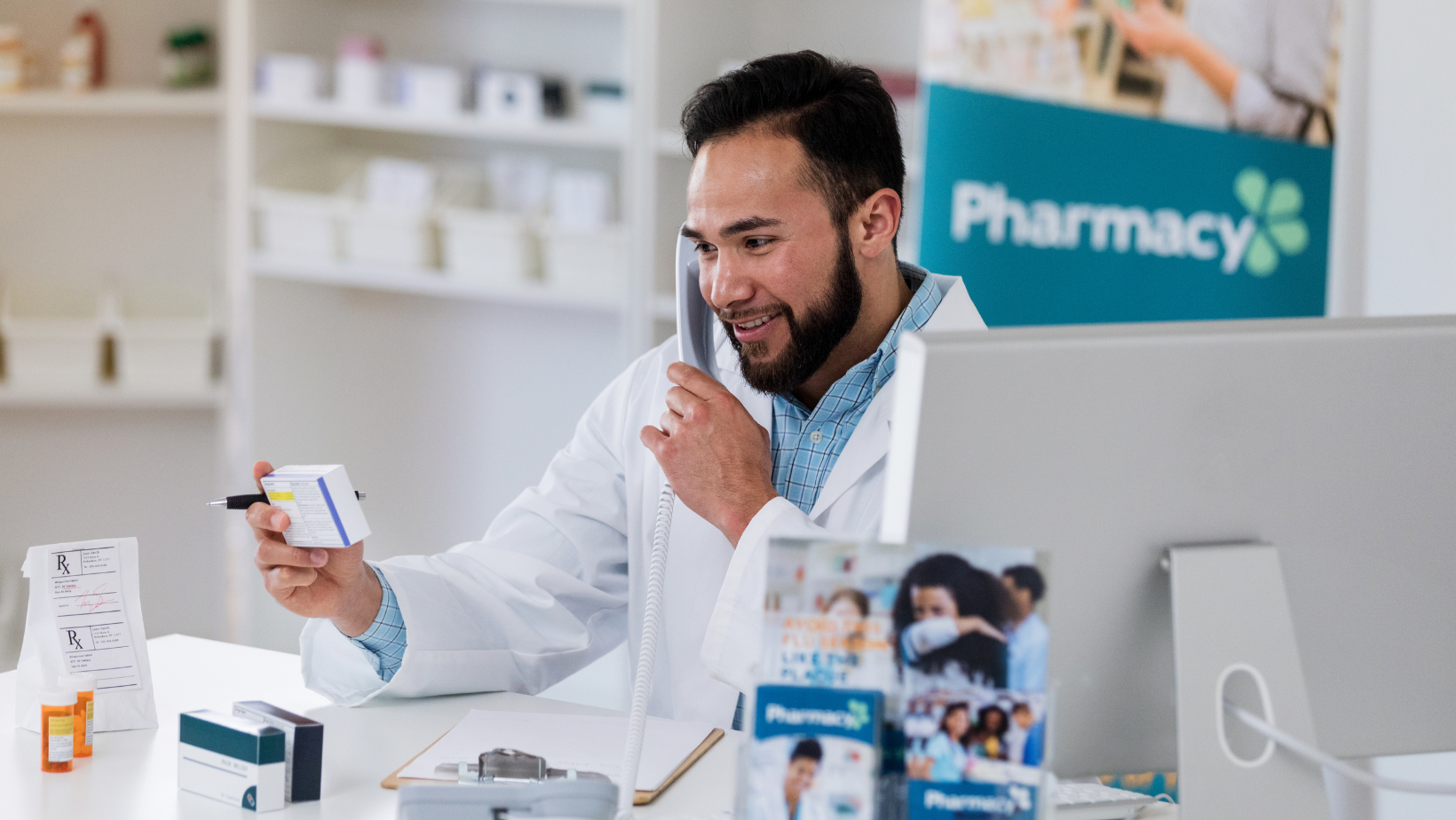
Pharmacy Technician
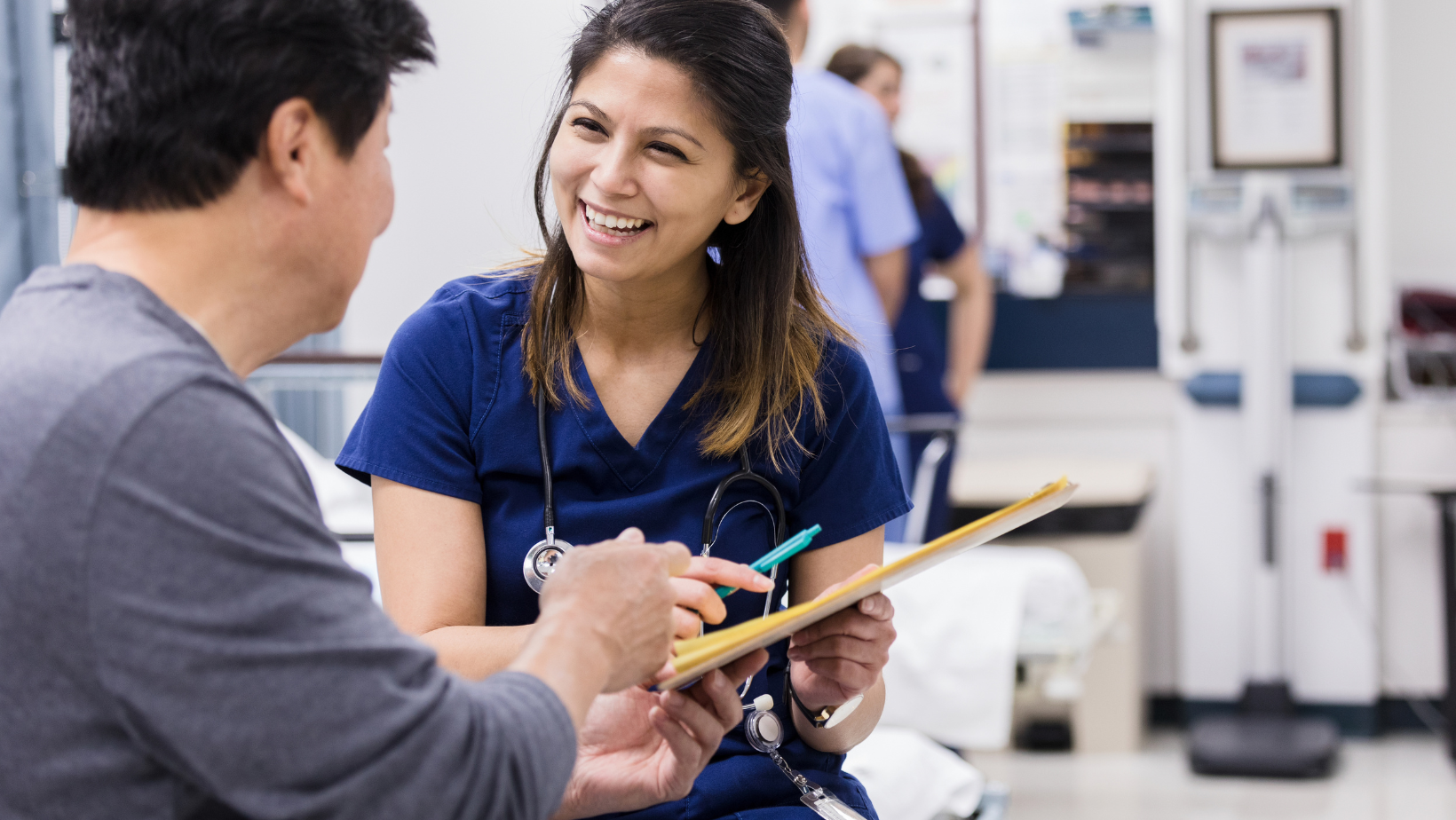
Patient Care Associate Program(PCA)
Patient Care Associates (previously known as Patient Care Technicians) are multi-disciplinary technical workers trained to provide basic nursing assistant care as well as other skilled functions. Hospitals, Nursing Homes, Clinics, Labs and doctors' Offices all employ Patient Care Technicians.
The disciplines included in the program at Queensborough Community College include Five core competencies:
- CPR- Basic Cardiac Life Support(AHX100) $175--(Must be AHA CPR certification) (8-hour American Heart Association for health care provider and professional rescuer, which includes adult, child, infant CPR, rescue breathing, and use of AED (Automatic External Defibrillator) course)
- Medical Terminology & Body Systems (MBX 126) $600 (Pre-requisite for EKG and Phlebotomy)
- EKG Technician(AHX170) $1,150
- Phlebotomy Technician(AHX171) $1,375
- Certified Nursing Assistant (NUX200) $1,650
Total: $4,950
Certified Nursing Assistant can not be taken in the same semester as EKG and Phlebotomy.
After completing the program students can take the certification exam from the NHA and become a Certified Patient Care Associate (CPCA).
You can register for these classes as you go or call the office at 718-631-6343 to enroll in the Program!