Watch Now: The State of Holocaust Education in the U.S. Today
With antisemitism on the rise around the world, the demand for Holocaust education has become even more pressing. About half of the states in the…
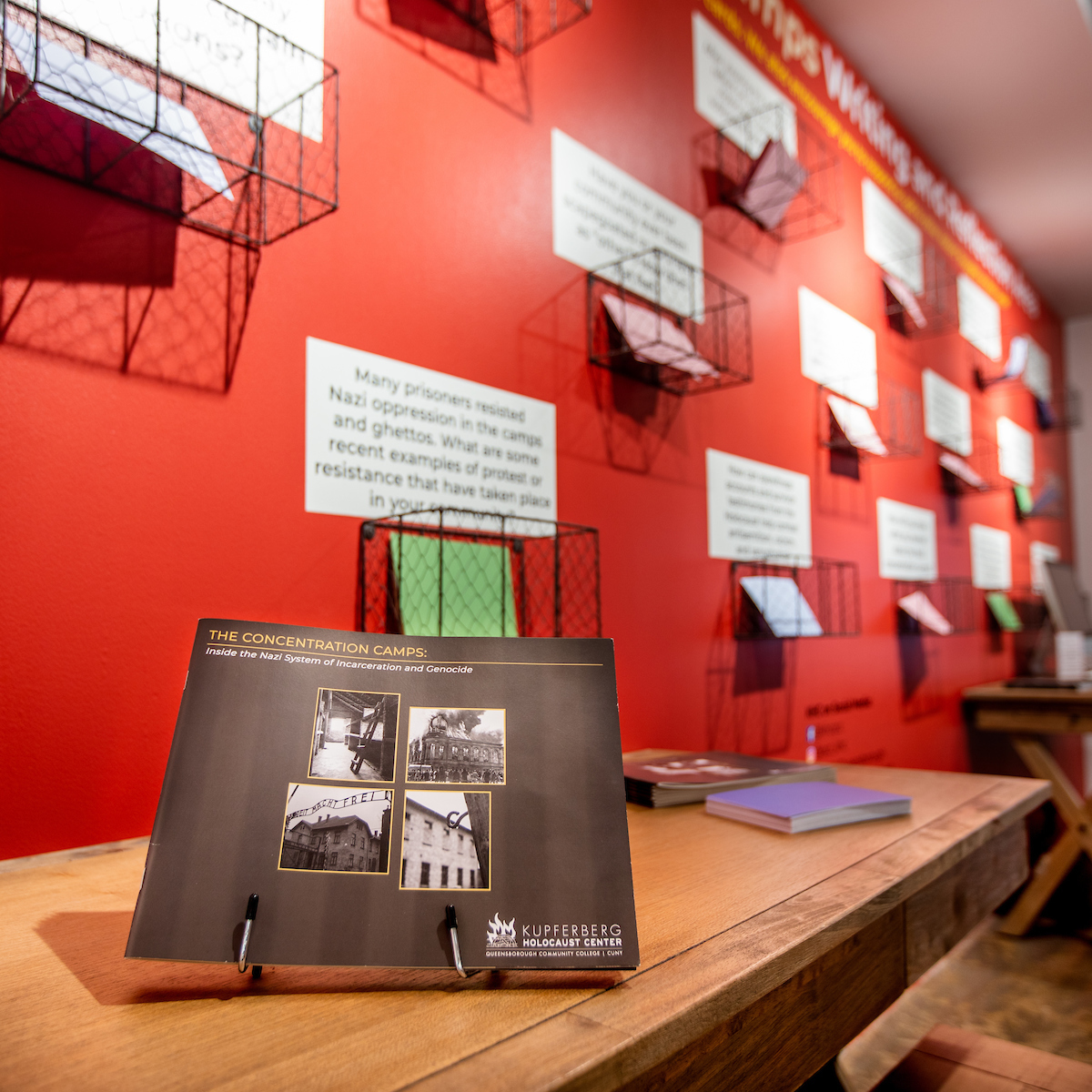
The Harriet and Kenneth Kupferberg Holocaust Center (KHC) is neither a museum nor a library: we are a learning laboratory where students, survivors, and community members learn through their hearts, minds, and actions. Our mission is to use the lessons of the Holocaust to educate current and future generations about the ramifications of prejudice, racism, and stereotyping. In doing so, we teach and empower citizens to become agents of positive social change in their lives and in their communities.
Listen in on a conversation between Manfred Korman, a Kindertransport survivor, and his granddaughter, Arielle Korman, on how and why the Holocaust continues to weigh heavily on our society today–and what you can do about it.
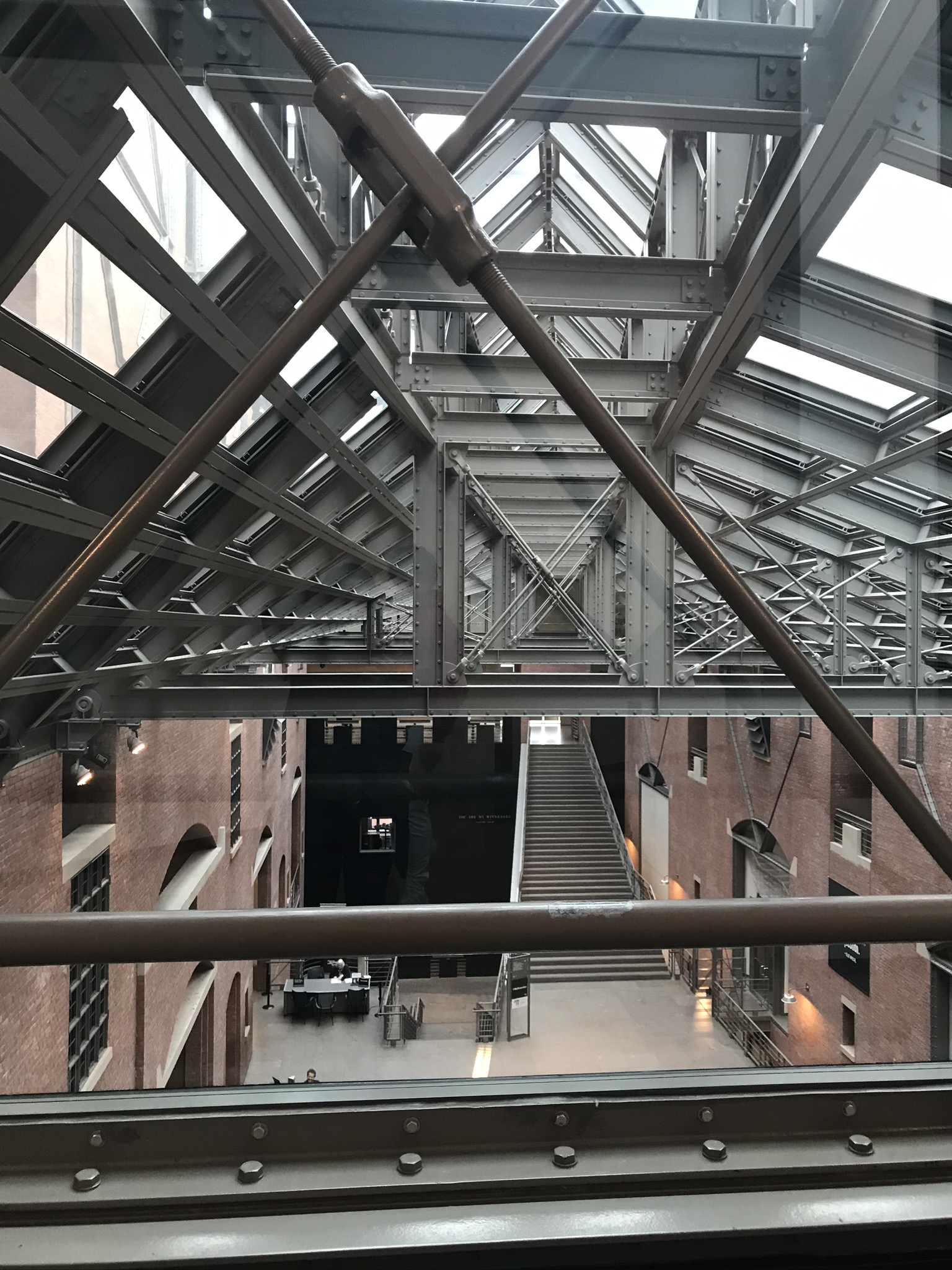
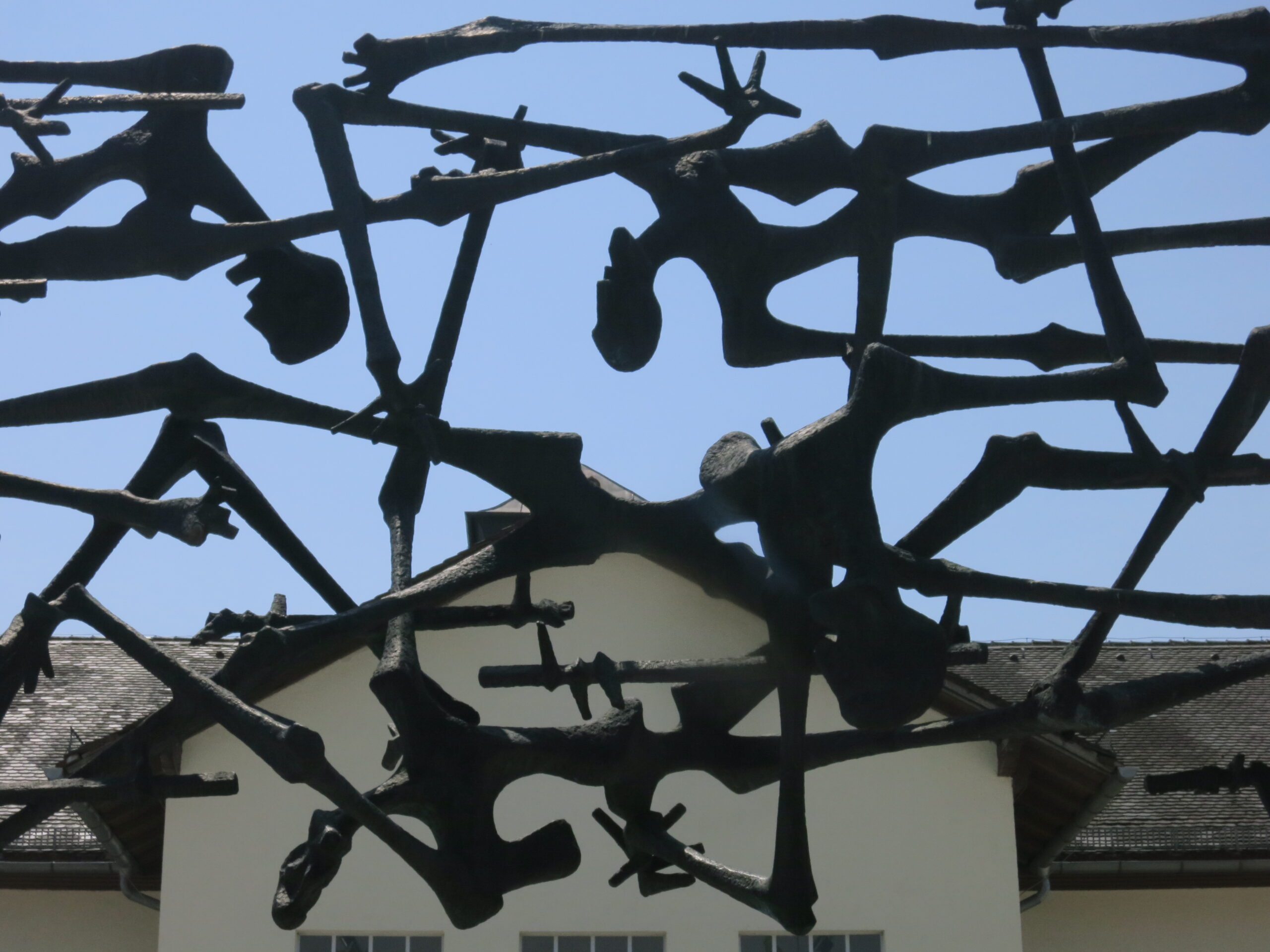
Learn more about our virtual and in-person exhibitions and public programs, as well as online educational resources and recorded events.
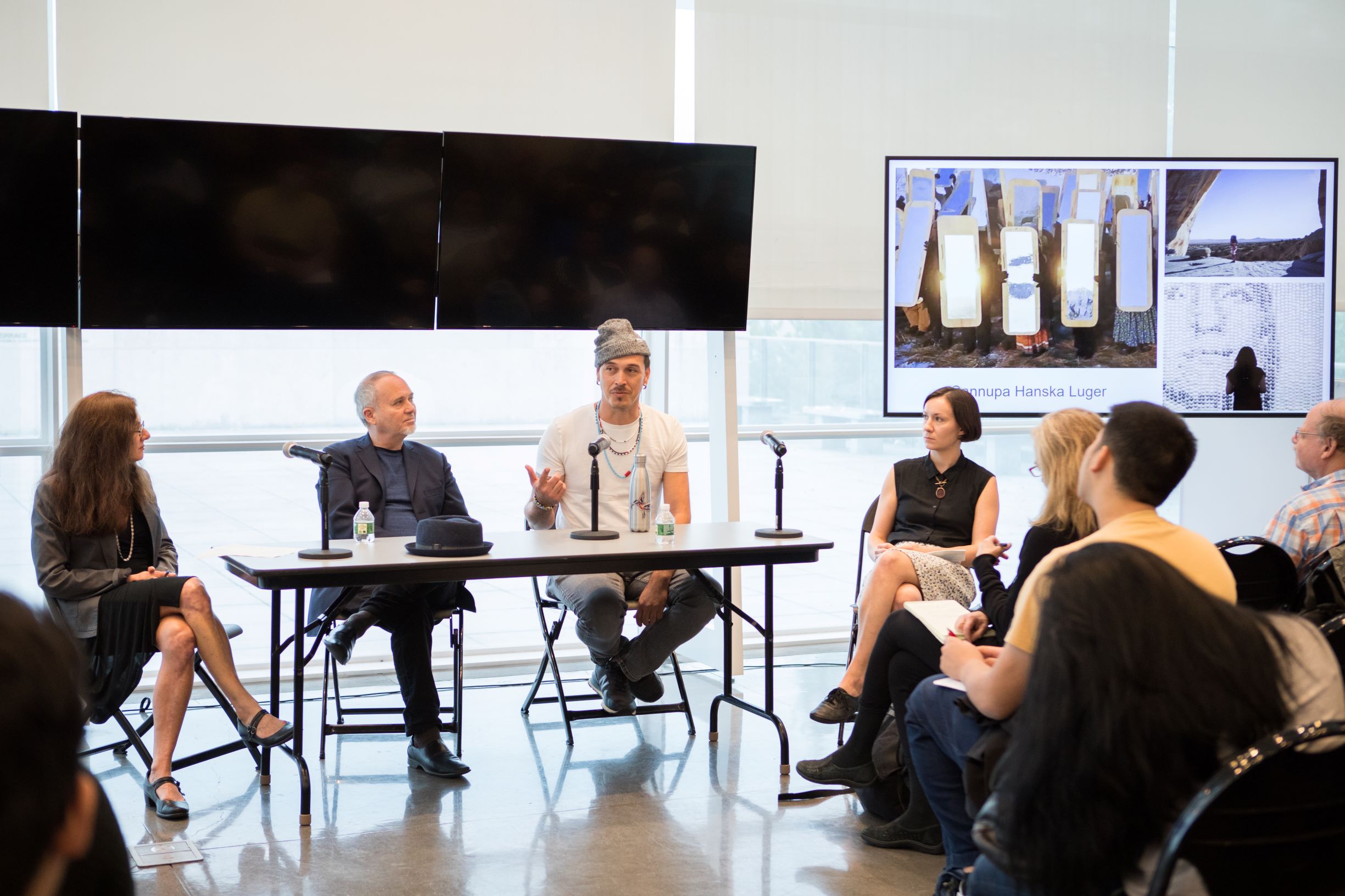 We regularly host events and commemorations related to the Holocaust, as well as an annual colloquium led by QCC faculty.
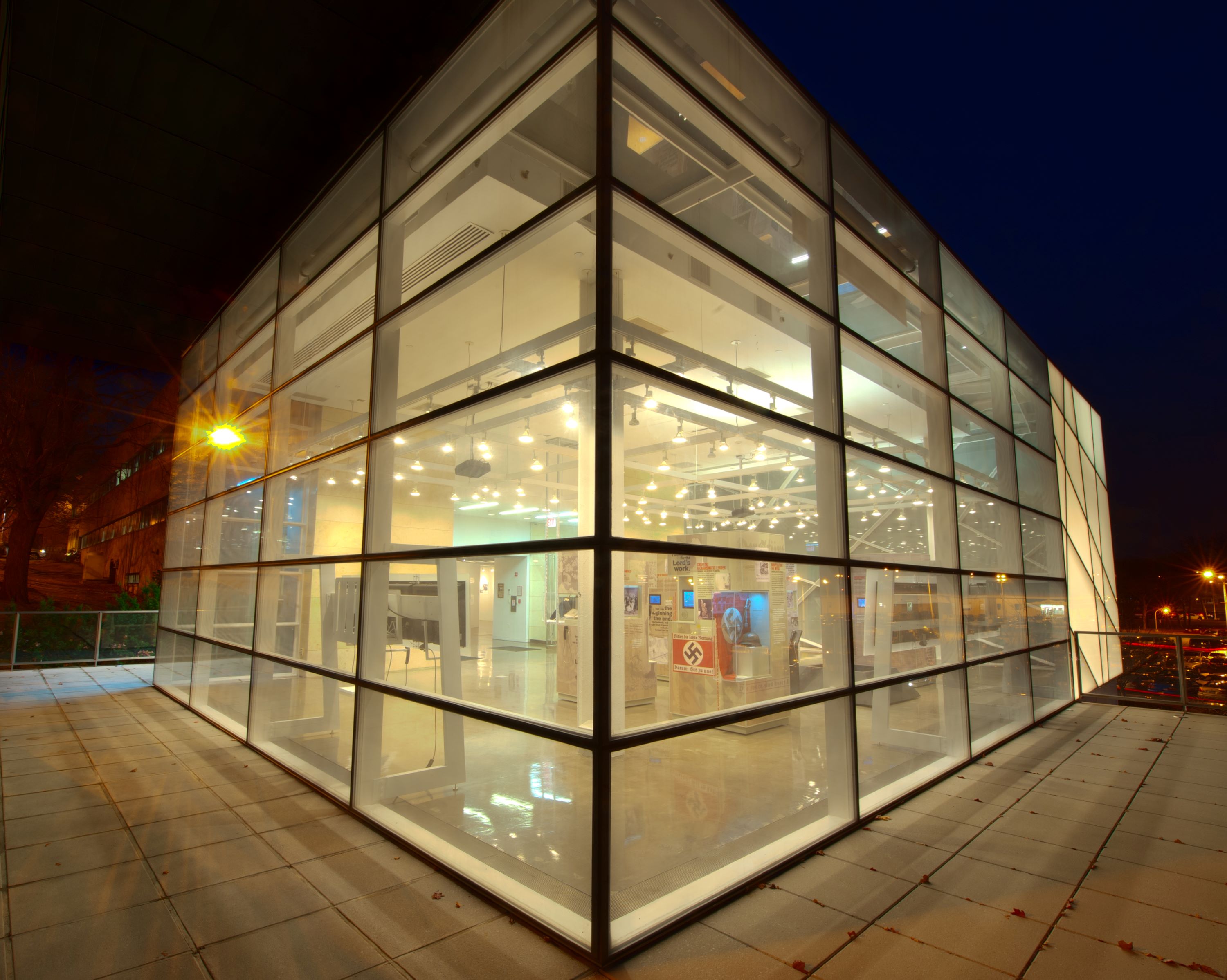 For over 30 years, we’ve created original exhibitions about the Holocaust and other mass atrocities, sharing our work with local, regional, and national audiences.
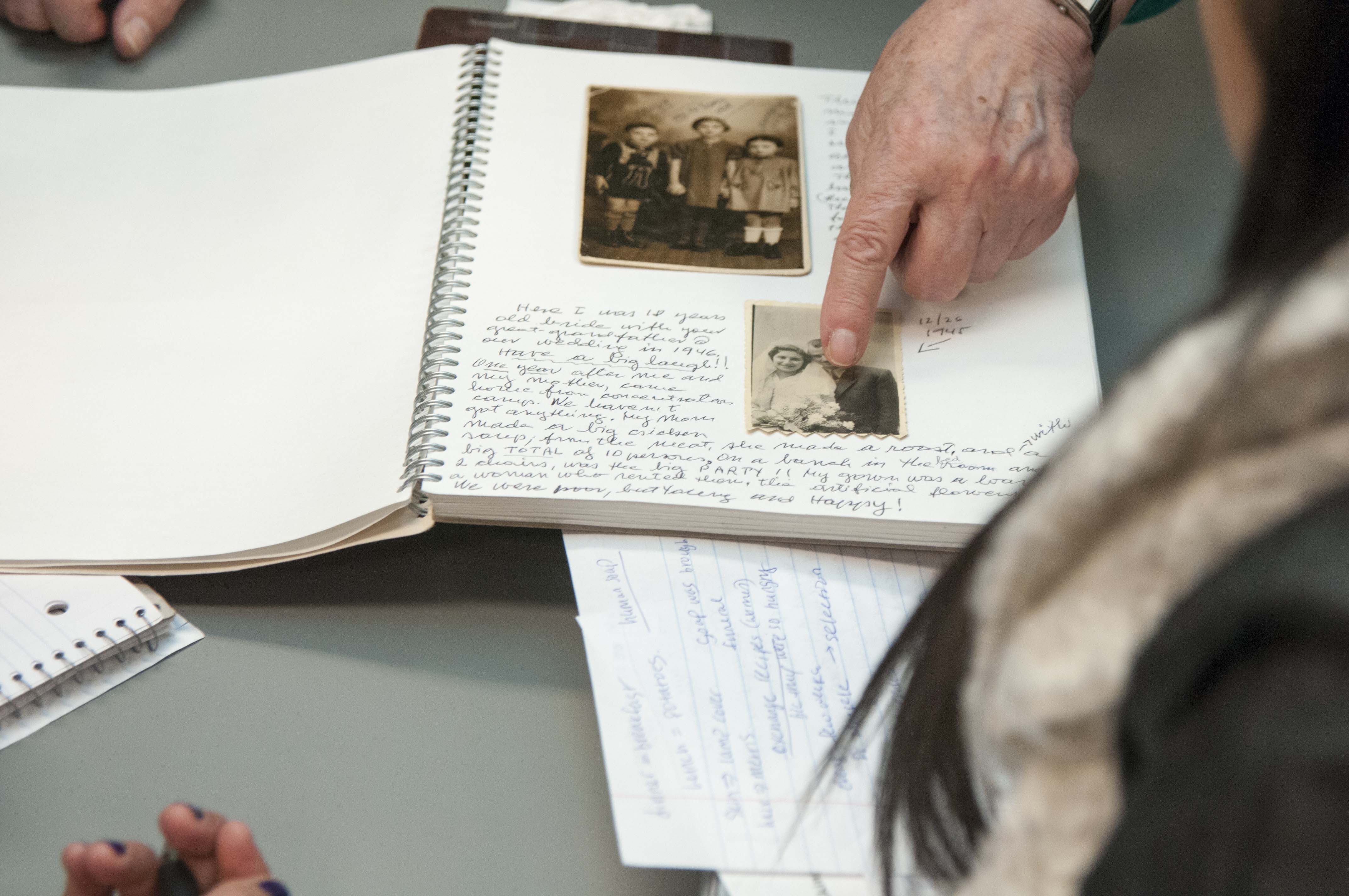 Enrich your instruction about the Holocaust through our thematic library guides, classroom materials, and lists of resources from sister organizations.